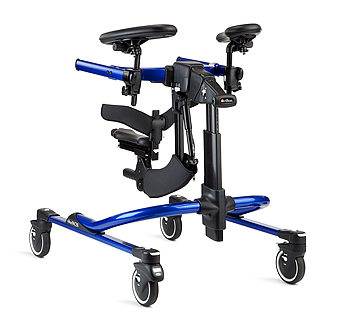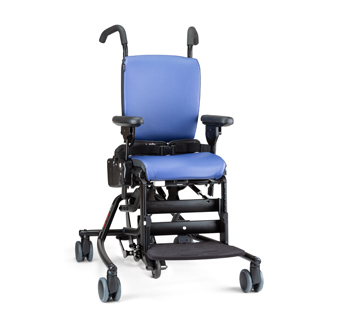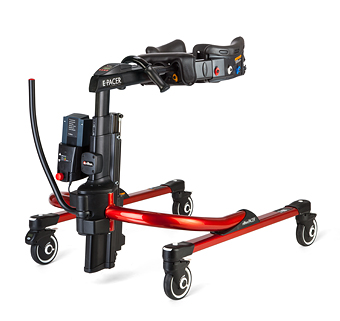
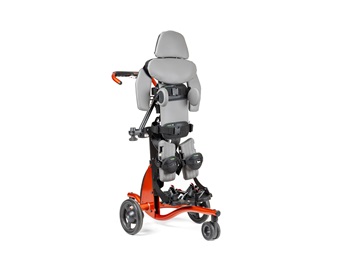
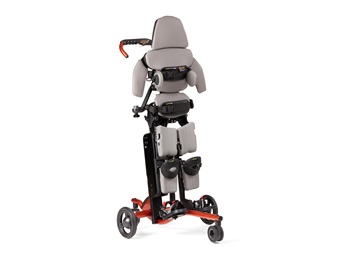
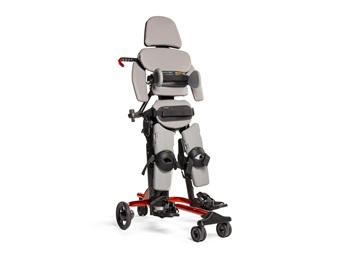
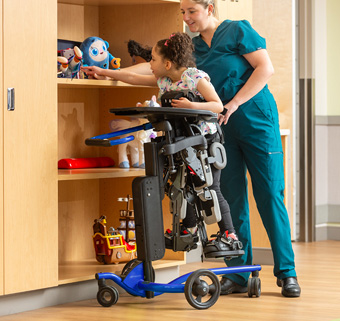
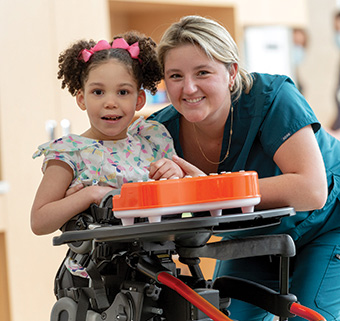
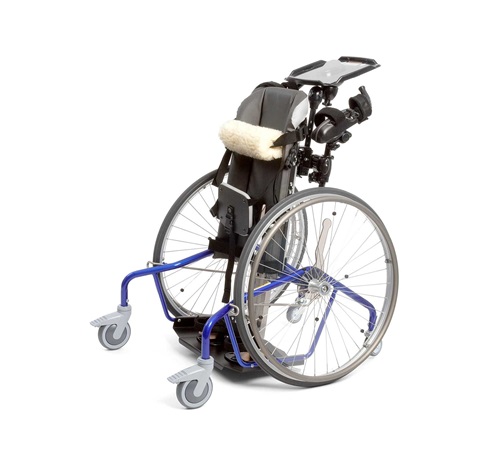
A girl uses Rifton Standing Frame to play with a toy with her caretaker.
Standing

Multi-Position Stander

The ability to stand changes how people experience the world

Standing transforms lives. For children and adults with disabilities, the opportunity to stand—whether upright, supine or prone—brings new opportunities for interaction, development, and dignity. That’s why we designed the Rifton Stander: a versatile, supportive, and easy-to-adjust multi-position standing frame that meets a wide range of positioning needs.

Download Brochure

A girl standing in a Rifton Stander with therapist.

Why Standing Matters: Benefits of a Special Needs Stander

The benefits of standing are well documented. Whether used as a prone stander, supine stander, or upright pediatric stander, our device supports essential health and developmental outcomes:

  • Promotes bone health by maintaining or increasing bone mineral density.
  • Reduces spasticity, stretches muscles, and improves range of motion.
  • Encourages better spinal alignment and posture.
  • Supports hip joint development with optional leg abduction for comfort and alignment.
  • Facilitates eye-level engagement and social interaction with peers and family.

With this stander device, individuals gain the physical and emotional advantages of upright participation in daily life.

Designed for Flexibility: A Multi-Position Stander That Grows with Your Client

Rifton’s multi-position stander is engineered for ease of use and clinical versatility. Whether your goal is supine or prone positioning, our system adapts seamlessly with: 

  • Tool-free angle and height adjustments.
  • Independent hip abduction.
  • Tilt-in-space functionality.
  • Knee and hip flexion adjustments.
  • Head and trunk control.
  • Body support components that grow with your client.

This standing frame meets the evolving needs of children with a wide range of disabilities. It also helps therapists and caregivers create meaningful, customized support routines. 

Features of the New Rifton Stander

Use the slides below to learn more about the features of the New Stander, such as how to adjust the standing angle and height to achieve a better level of postural control for your client.
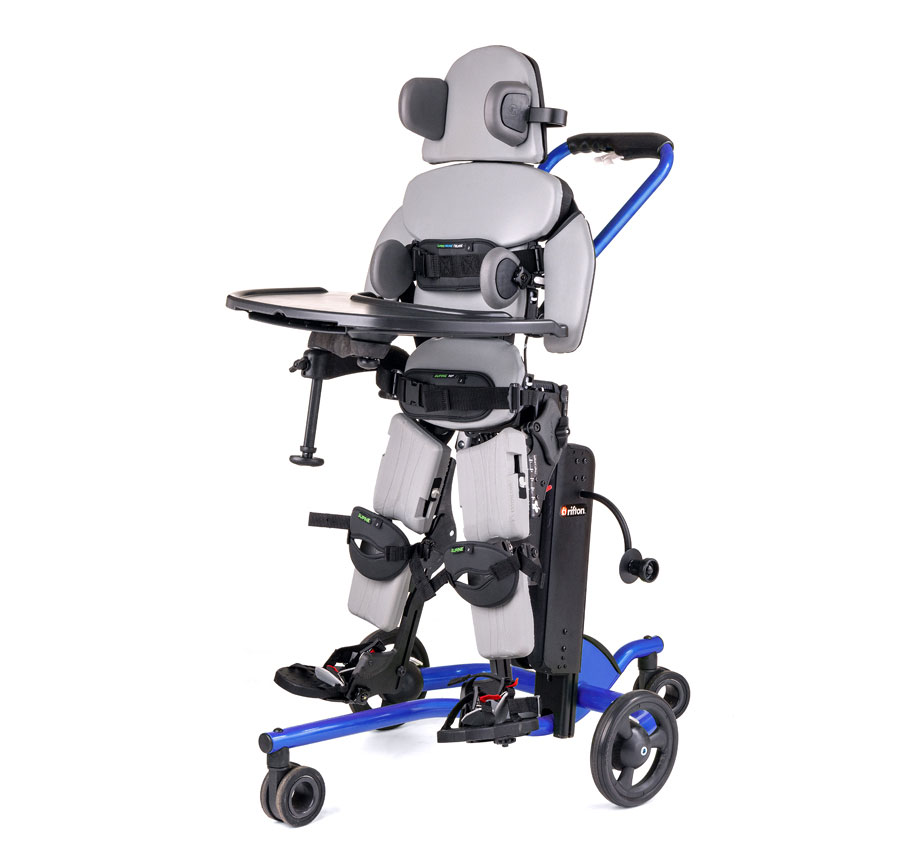
  • 1 Base frame
  • 2 Body support
  • 3 Caregiver handle
  • 4 Height adjustment
  • 5 Independent hip abduction
  • 6 Tilt adjustment
  • 7 Hip flexion and depth adjustments
  • 8 Knee flexion adjustment
  • 9 Adjustable sandals
  • 10 Room for growth
  • 11 Supine features
  • 12 Prone features
A blue Rifton Size 2 Stander standing frame in supine configuration 1 2 3 4 5 6 7 8 9 10 11 12

Component Options for Customization

Use the slides below to learn more about the components of the New Stander.
S412 Rifton Stander Size 1 standing frame in prone configuration
Configurations
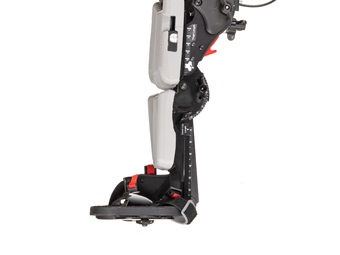
S426 Rifton Stander size 2 advanced leg
Legs
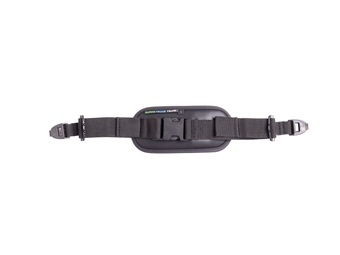
The Rifton Stander trunk strap
Trunk straps
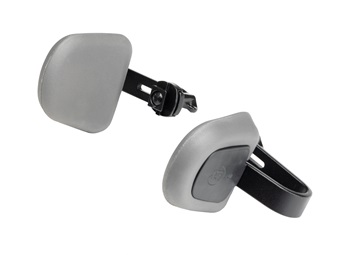
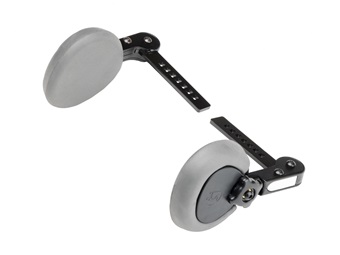
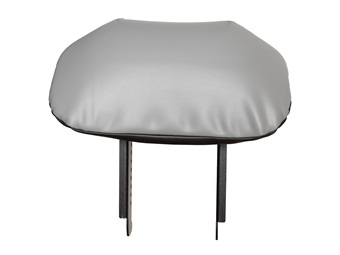
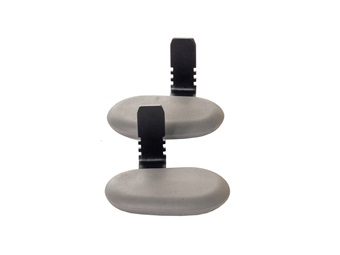
Rifton Stander head laterals
Head laterals (Supine)
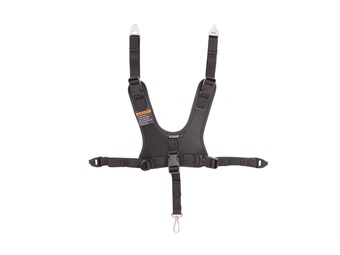
The Rifton Stander butterfly harness
Butterfly harnesses (Supine)
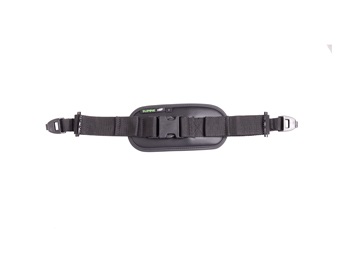
The standard hip strap for the Rifton Stander
Hip strap (Supine)
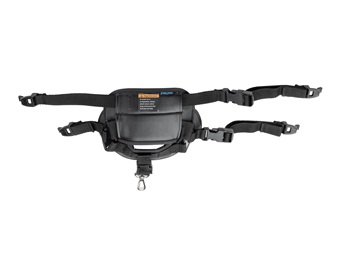
The Rifton Stander pelvic harness for prone configuration
Pelvic harness (Prone)
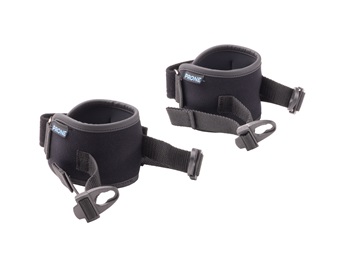
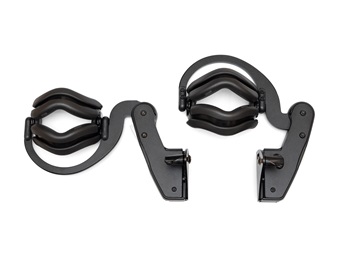
Rifton Stander knee cuffs (pair)
Knee cuffs (Prone)
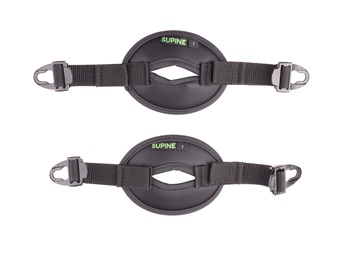
s401 Rifton Stander Size 1 supine knee straps
Knee straps (Supine)
S487 Rifton Stander Size 2 split knee supports
Split knee supports (Supine)
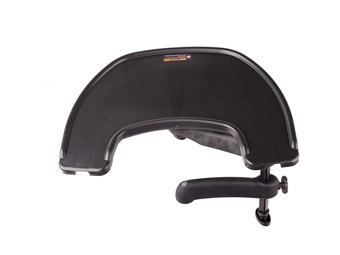
The Rifton Stander tray
Tray
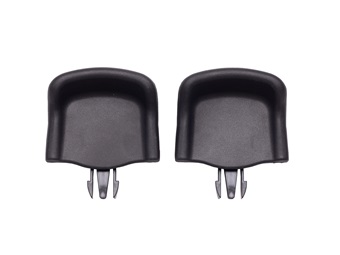
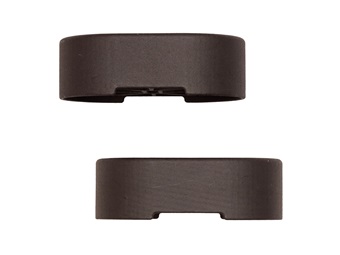
The Rifton Stander elbow blocks
Elbow blocks
Rifton Stander trunk laterals
Trunk laterals
The upper trunk support for the Size 3 Rifton Stander
Upper trunk support (Prone)
The Rifton Stander medial/lateral thigh supports
Medial/lateral thigh supports
S409 rifton stander size 1 sandal lift kit
Sandal lift kit
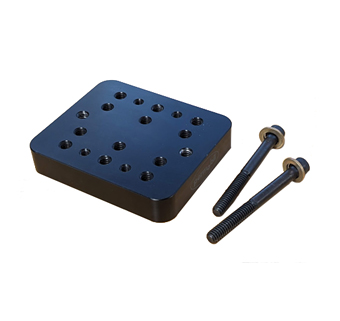
The Rifton Stander headrest adapter plate kit
Headrest adapter plate kit

Sizing & Dimensions for Your Stander Device

Use this dimensions chart to help you make the right choice for your client.


Important: Make sure that the user’s weight does not exceed the maximum working load.

Key user dimensions (inches)
Measure the user’s overall height.

Select the appropriate Stander by the user’s overall height. Choose the model that allows for growth.

The Size 1 Rifton Stander standing frame in supine position S410 Size 1 Stander
Overall height :

28 – 42
*the smallest users may require the S409 Sandal Lift Kit for best positioning.

Build
The Size 2 Rifton Stander standing frame in supine position S420 Size 2 Stander
Overall height :

38 – 53

Build
A red Size 3 Rifton Stander standing frame in supine configuration S430 Size 3 Stander
Overall height :

48 – 65

Build

FAQs

Standing frames benefit children and adults who are unable to stand independently or who need support to maintain an upright position. This may include individuals with cerebral palsy, spinal cord injuries, neuromuscular conditions, or developmental delays. A standing program can help support physical health while also creating opportunities for participation at eye level with peers, family, and caregivers.
Coverage for an adaptive multi-position stander varies depending on your insurance provider and plan. In many cases, standing frames are considered medically necessary medical equipment when supported by a therapist or physician. Rifton provides resources, including a sample letter of medical necessity, to help families and clinicians navigate the funding process.
A prone stander supports the user from the front, encouraging weight-bearing through the legs while promoting head control and active engagement. A supine stander provides support from the back, offering more assistance for users who need additional postural support. A multi-position stander allows for both options, giving therapists flexibility to choose the best standing position for the individual's needs and goals.
The appropriate duration varies based on the individual’s needs and tolerance. Many therapists recommend starting with shorter sessions and gradually increasing to 30–60 minutes per session, or as part of a broader therapy program. A physical or occupational therapist can help determine the right standing schedule.
No. The Rifton Stander is designed for tool-free adjustments, allowing caregivers and therapists to easily change height, angle, and positioning components throughout the day. This makes it simpler to adapt the stander as the user grows or as positioning needs change.
Back to top