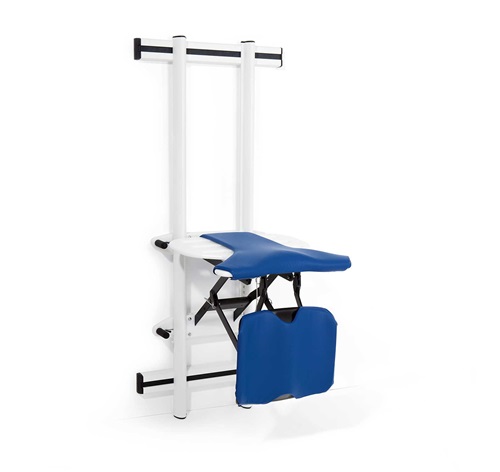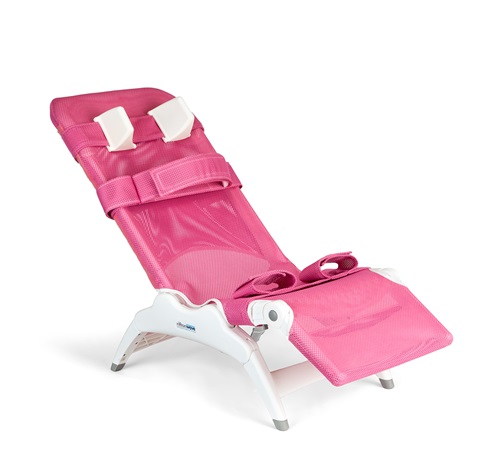
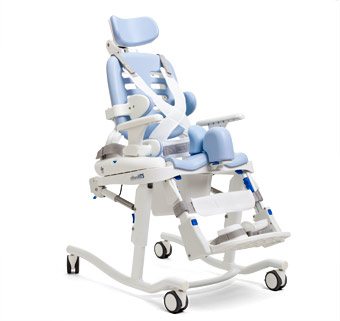
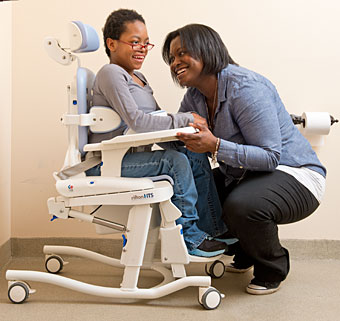
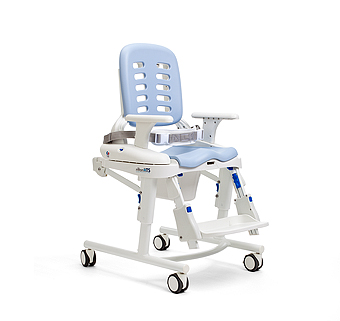
HTS (Hygiene & Toileting System)
Designed to address therapist feedback, this system provides all the features and components necessary for successful toileting.
 Parents often find that toilet training their child can be a frustrating process. Some children may train quickly and easily, but for many children it can take time. And if a child has special needs, it can be even more difficult. Toilet training can often be stressful, even for children without special needs, but for every child it’s an important milestone. Toilet training increases a child’s self-esteem and independence, especially as he or she enters school or daycare. The good news is that typically, children can achieve toilet training by two to three years of age, regardless of special needs. However, only you and your child can determine whether they are ready to learn.
Is your child ready to begin?
There are several steps to follow to help clear the way:
Sometimes, medication is necessary for constipation to keep stools soft. Laxatives most commonly used are stool softeners like docusate sodium, osmotic laxatives like lactulose, and stimulants like Senokot syrup. Other children may respond to suppositories or enemas. Again, it is important to always check with your nurse practitioner or pediatrician to see what medicine (if any) is appropriate.
The Readiness Checklist can help you determine if your child is ready to begin the toilet training process.
Readiness Checklist for Potty Training Children with Special Needs
Your child’s readiness to toilet train is related to his or her level of growth and development. The following items are organized according to motor, cognitive, and language development as well as toileting skills. Some of the items in the list may not apply to your child. The more items that do apply, the more likely your child is to begin toilet training.
MOTOR
COGNITIVE
LANGUAGE
TOILETING
Environmental factors for Toilet Training Children with Special Needs
Begin training when your child is starting to learn cooperation, and when there is not a lot of stress at home. For instance, do not start toilet training around the holidays, when weaning him or her from a bottle, or soon after bringing home a new brother or sister. Also, from a practical point of view, it may be easier to start potty training when it is warm outside because your child will be wearing less clothing.
One of the first steps of toilet training includes keeping a diary for about three to five days. The diary should note when your child goes (either bowel movement or urine), when she or he is soiled, and what and when your child drinks. This will show you your child’s toileting pattern and help clue you in as to when to have him or her start sitting on the potty.
Even if your child is fully toilet trained, accidents often happen. Accidents may occur when your child is excited, fearful, absorbed in play, or awakened from a bad dream. They may also occur if there is any change in home routines, like the birth of a sibling, a move, or starting school. When your child is sick, expect accidents until he or she is better. However, if there are repeated, unexplained accidents, there is the possibility of an allergic reaction or an illness. In this case, you need to contact your nurse practitioner or doctor.
Your Child is Ready for Potty Training – Now What?
 After you and your child have determined that it is time to potty train, take him or her to the store and buy a potty. After choosing and buying the potty chair, start having him or her sit on the potty, clothes on, while you sit on the toilet. (If your child needs special support, such as a backrest, you may want to look at adaptive toileting equipment such as Rifton’s Hygiene and Toileting System.) You can give your child a snack or read aloud to keep him or her sitting on the potty in order to establish a daily routine.
Then, during the next week or so, ask your child if it is all right to take his or her diaper off while on the potty. In the next couple of weeks, take your child to the potty after a bowel movement and place it in the potty. This lets him or her know that this is where the bowel movement belongs. Do not flush it in front of your child (for some children, it may be fun to watch it flushed, but others may be frightened and confused about where it went.) Flush the bowel movement when your child loses interest and leaves the room.
If you meet with resistance to any of these steps, just back up and forget training for a couple of days.
The next step is to offer to remind your child to go to the potty every hour. When he or she goes, leave it there and offer congratulations. Nighttime training should begin only when your child is dry during naps or dry for at least six hours.
Whatever system you decide to use, reward your child’s successes with a lot of praise. It is important to be encouraging and positive. Occasionally, there will be accidents. The important thing is how you handle them. It is okay to show mild disappointment, but never scold, punish, or make a really big deal out of it. Tell your child it is okay and he or she will go in the potty next time.
Tools for Toilet Training Children with Special Needs
There are many helpful techniques that may aid parents in the potty training process:
“Role modeling” may allow your child to learn by imitation.
Overcoming Potty Training Difficulties
The type of difficulty your child has with toilet training (bowel training, bladder training, or both) and the potential to achieve control depends on your child’s special need and whether it is a physical or cognitive difficulty and the degree to which your child is affected. For some children, it may be difficult to reach the toilet and actually sit on it. Parents may have to help with positioning and keep their child in position while on the toilet. Other children have difficulties with communicating that they need to go, or parents have difficulty with communicating the ideas associated with toilet training.
There are some adaptations to the toilet area to help your child with a physical disability sit on the toilet. (See Rifton’s Hygiene and Toileting System) For older or taller children, there are raised seats along with safety rails to aid the child with positioning on the toilet. For toddlers, several brands of potty chairs have backs that can support a child leaning back. Positioning your child differently on the toilet seat may also help. Some experts have suggested that children straddle the toilet seat or potty chair. Seating the child sideways on the toilet may also be helpful.
Rifton offers the Hygiene & Toileting System to meet your child’s toileting needs.
This article reprinted with the expressed consent and approval of Exceptional Parent, a monthly magazine for parents and families of children with disabilities and special health care needs.

Request a Free Catalog
Sign up for our newsletter