Reduced stimulation of bone tissue due to immobility places children with physical limitations at risk for reduced bone mineral density. Research shows that bone mineral density is decreased in children with cerebral palsy (CP), and to a greater extent in non-ambulant children with CP, with immobilization as the major factor affecting bone mineralization (Tasdemir, 2001).
Bone modeling and remodeling is a homeostatic mechanism that responds to loading and strain to the bone tissue. These natural forces normally occur throughout life and include the weight of the body during functional activities and the pull of tendons with muscle action. Children with developmental disabilities such as cerebral palsy are predisposed to reduced bone density due to immobility and reduced weight-bearing opportunities, which places them at increased risk for fracture or deformity.
Weight-bearing physical activity can increase bone mineral content for children with cerebral palsy (Chad, 1999). The use of appropriate equipment can give opportunities for load-bearing and physical exercise to inhibit bone loss and improve bone density.
There is research evidence that load bearing is a very important, if not the most important functional influence on bone mass and architecture (Lanyon, 1996).
A research review has summarized three rules for bone adaptation to mechanical stimuli (Turner, 1998). The conclusion supports dynamic, rather than static, loading as the means to effectively drive bone adaptation. Even a short duration of mechanical loading can initiate an adaptive response. And, bone cells may accommodate to a customary loading environment: in other words, bone may be less responsive to routine signals, and more responsive to variations of stress.
Further recent evidence indicates that extremely low-magnitude (<10 microstrain) mechanical signals readily stimulate bone formation if induced at a high frequency (20-50 Hz). This proposes that the low level, high frequency mechanical strains, continually present during even subtle activities such as active standing, are as important to bone health as the larger strains typically associated with vigorous activity (>2000 microstrain) (Rubin, 2002) (Ward, 2004).
Current research draws into question the value of passive standing equipment where the amount of actual loading through the skeletal long bones is minimal (Caulton, 2004). Devices or opportunities that allow a child to actively and dynamically bear weight in a safe and supported manner, or even change position in either closed-chain or open-chain movement, are significantly more valuable to the child’s bone health.
Further, the sit-to-stand exercise is beneficial for functional muscle strength (Liao, 2007). More research is needed to assess the efficacy of activity-based strategies in cerebral palsy, as therapist management shifts to a more proactive approach promoting activity, with positive results from activity programs for individuals with CP (Damiano, 2006).
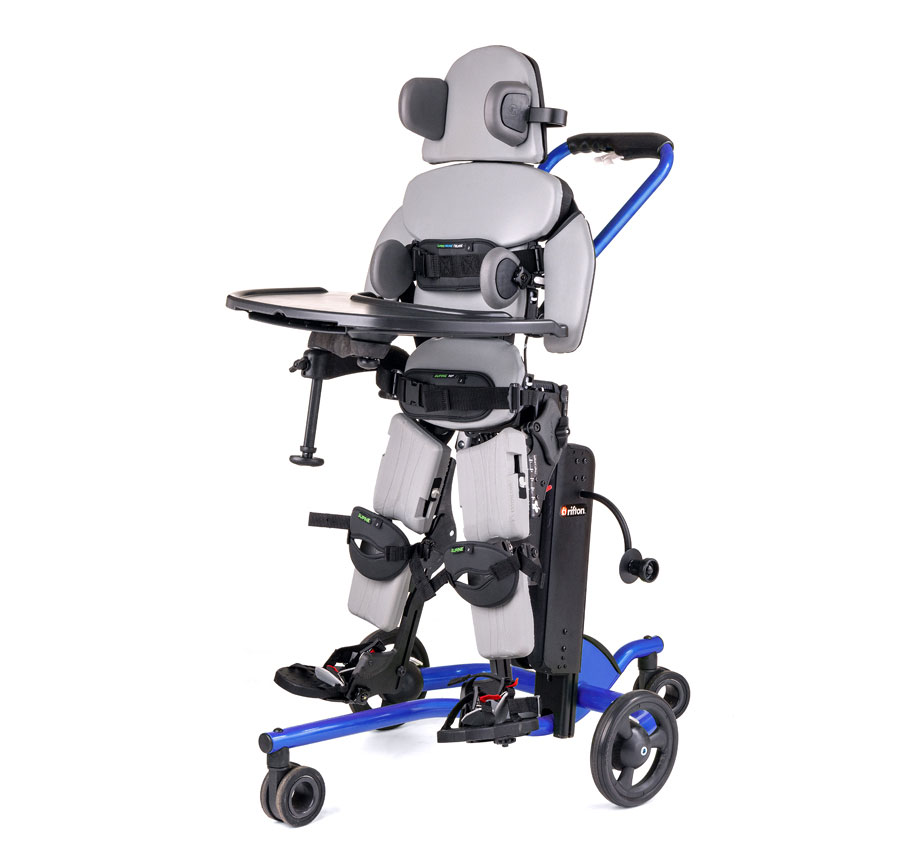
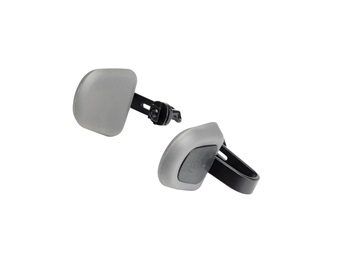
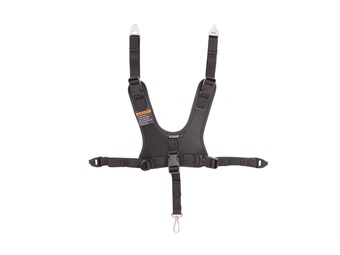
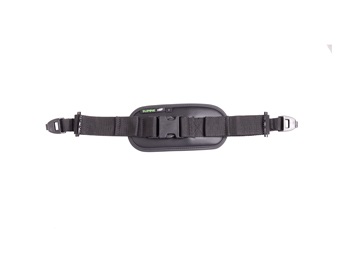
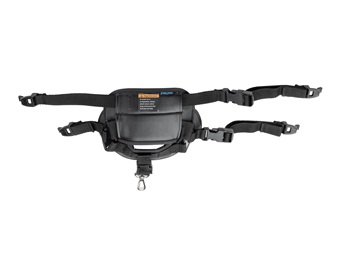
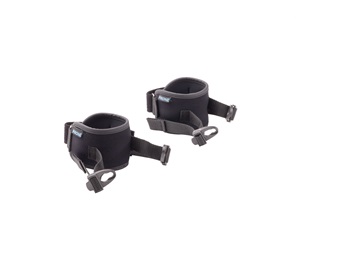
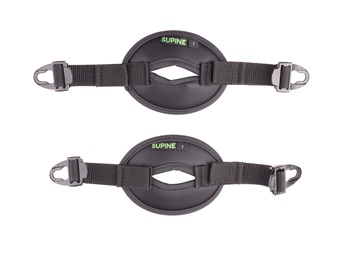
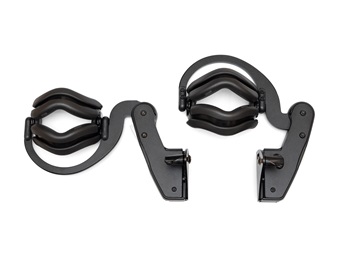
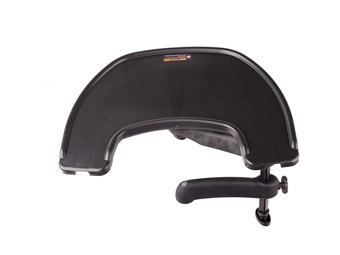
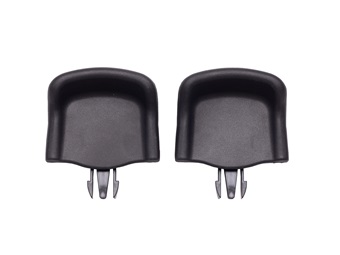
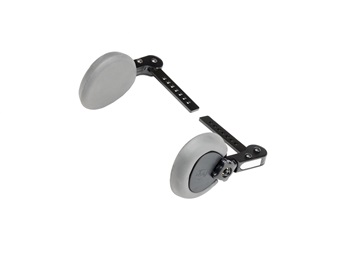
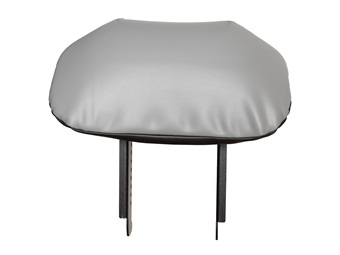
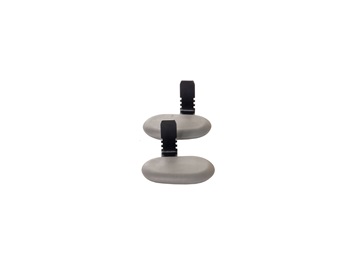
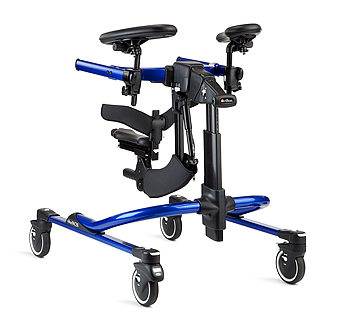
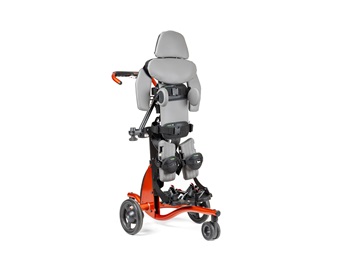
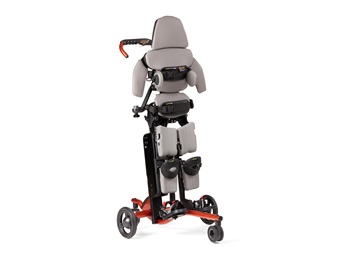
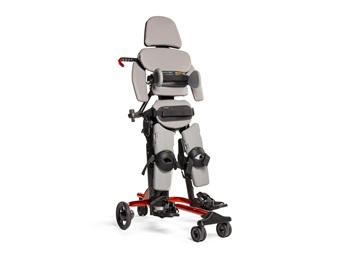
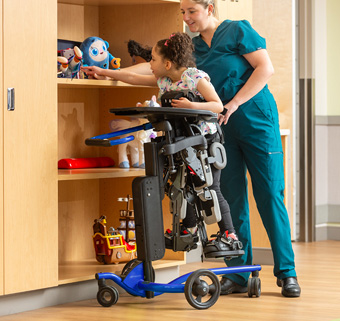
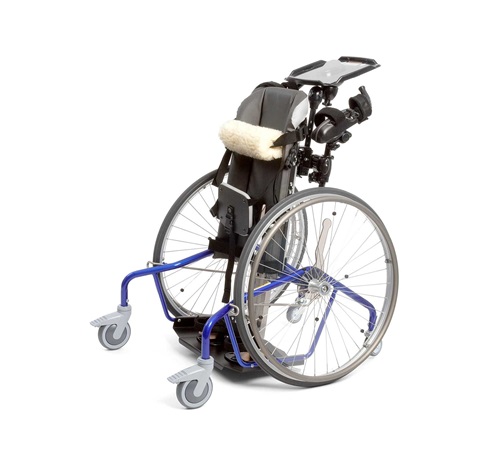
The Rifton Dynamic Stander is unique. The prompts can be positioned to enable dynamic load bearing and active weight bearing during standing, according to the child’s ability. It is supportive enough that a child who only performs partial weight bearing is safely and comfortably accommodated and can benefit from the stimulus for bone health. As the child’s standing strength improves over time, they are better able to progress to gait training activities. For further information on use of the Dynamic Stander: Rifton Dynamic Stander
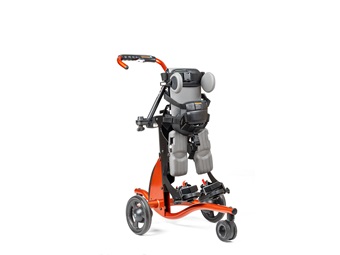
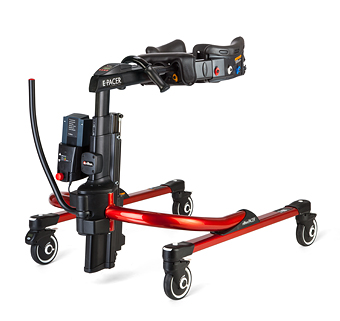
The Pacer is similar in that the amount of support can be varied for each child. Many therapists use the Pacer as a standing opportunity for children by locking the casters. This places the child at peer level while doing weight shifting or closed-chain hip and knee extension in standing. In addition to improved strength, weight-bearing ability, and capacity for gait training, repeated standing practice using the Pacer in this way provides a means of enhancing bone health. For concepts and prompt use with the Pacer, see Rifton Pacer Prompt Use.
An understanding of the fundamental determinants of bone adaptation can allow caregivers to provide effective opportunities for bone stimulation and bone health maintenance for children with physical limitations. This in turn can reduce the risk of fractures or deformities for these children.
Search MEDLINE/PubMed for further recent research articles on Cerebral Palsy.