Your Cart
View Cart
Free Shipping in Contiguous US
Newsletter
Order Forms
Products
All Products
Adaptive Tricycle
Everyone deserves the chance to ride.
Pacer Gait Trainer
The therapist-inspired gait training system.
E-Pacer
The gait trainer that lifts.
Activity Chair
The ultimate in active seating for all ages.
New!
Adaptive Desk
The inclusive learning solution.
Compass Chair
Made for your classroom.
Grab Bars & Anchors
Provide stabilization for tasks and activities.
New!
Stander
A truly multi-position stander.
Mobile Stander
Mobility, independence and freedom.
HTS Hygiene & Toileting System
Simple, fully adjustable, and easy to clean.
Wave (Bathing & Transfer)
Bathing system with tub transfer.
Support Station
Provides increased confidence and dignity.
Product Resources
Brochures
How To Guides
Letters of Educational Necessity
Letters of Medical Necessity
Order Forms
Product Manuals
Education Center
Topics
Adaptive Mobility and Positioning
Evidence-Informed Practice
School-Based Practice
Adult Rehabilitation
Funding Equipment
Early Intervention
Community Connect
Video Library
About
Customer Service
Contact Us
Request a Catalog
FAQs
W-9 Form
International Distributors
Products
All Products
Adaptive Tricycle
Pacer Gait Trainer
E-Pacer
Activity Chair
New!
Adaptive Desk
Compass Chair
Grab Bars & Anchors
New!
Stander
Mobile Stander
HTS Hygiene & Toileting System
Wave (Bathing & Transfer)
Support Station
Product Resources
Brochures
How To Guides
Letters of Educational Necessity
Letters of Medical Necessity
Order Forms
Product Manuals
Education Center
Topics
Adaptive Mobility and Positioning
Evidence-Informed Practice
School-Based Practice
Adult Rehabilitation
Funding Equipment
Early Intervention
Community Connect
Video Library
About
Customer Service
Contact Us
Request a Catalog
FAQs
W-9 Form
International Distributors
800-571-8198
All Products
Browse our full offering of adaptive equipment for people with disabilities.
Sitting
Activity Chair
Adaptive seating to meet the needs of clients of all ages and diagnoses with our hi/lo or standard base options and positioning components.
Sitting
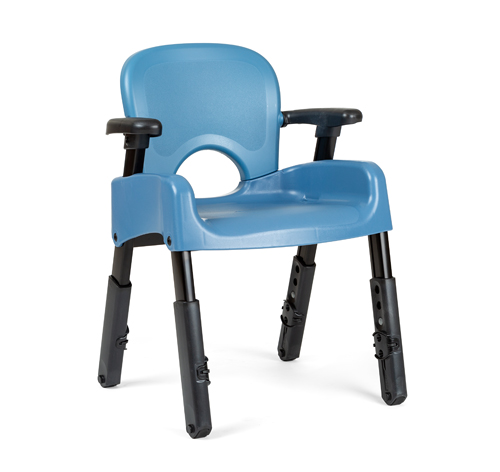
Compass Chair
The Compass Chair offers mildly involved students the support they need to feel secure and comfortable. It’s the perfect chair for inclusion.
Sitting
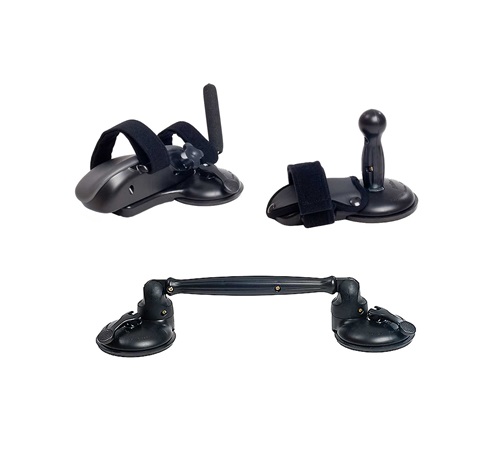
Grab Bars & Anchors
A collection of suction cup Grab Bars with varying types of hand grips and arm supports to aid in upper extremity stabilization so tasks and activities of daily living become easier.
Sitting
Adaptive Desk
A height-adjustable, wheelchair accessible desk built for inclusive classrooms and therapy spaces.
Mobility
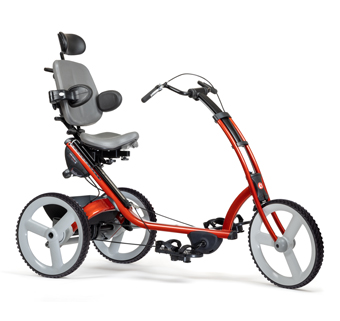
Adaptive Tricycle
Adapted for kids and teens with physical limitations, these trikes help improve leg strength and reciprocal movement while having fun. What could be better than biking around the block with peers?
Mobility
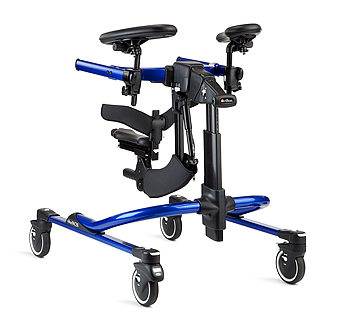
Pacer Gait Trainer
Better than a traditional walker, the Pacer gait trainer offers a range of functional weight-bearing assistance options to improve ambulation.
Mobility
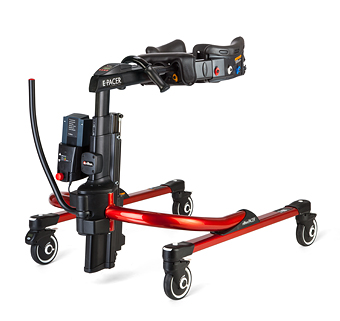
E-Pacer
The E-Pacer combines a powerful electric lift and secure body support with the gait training features of the classic Pacer.
Standing
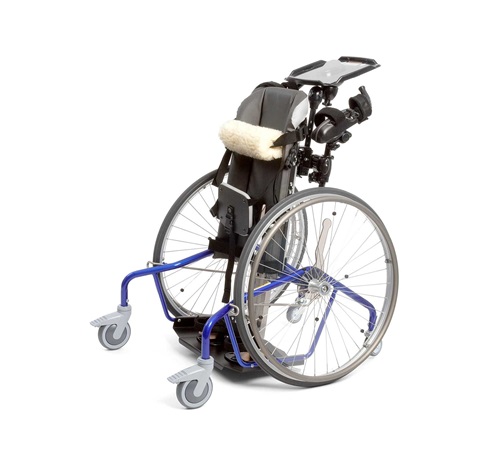
Mobile Stander
A mobile prone stander for children with ambulatory disabilities, the Mobile Stander provides partial weight-bearing support while enabling mobility in an upright position.
Standing
Stander
The New Stander enables physical development and greater social interaction by providing support and stability while encouraging weight-bearing.
Hygiene
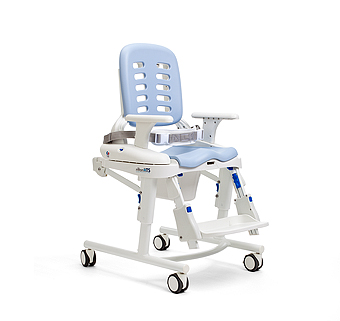
HTS (Hygiene & Toileting System)
Designed to address therapist feedback, this system provides all the features and components necessary for successful toileting.
Hygiene
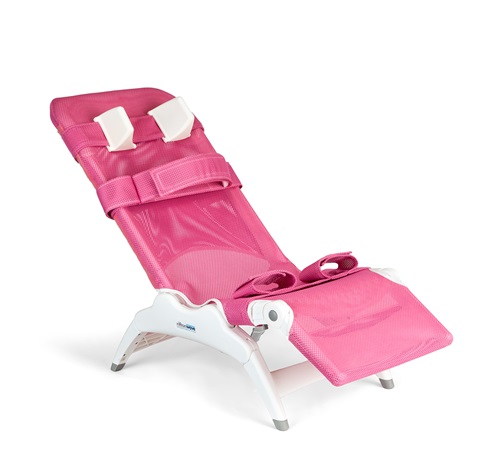
Wave (Bathing & Transfer)
Providing a stable, cushioned yet quick-drying seat for bathing in or out of tubs and showers, the Wave makes bathing a more relaxed and pleasant experience for both user and caregiver.
Hygiene
Support Station
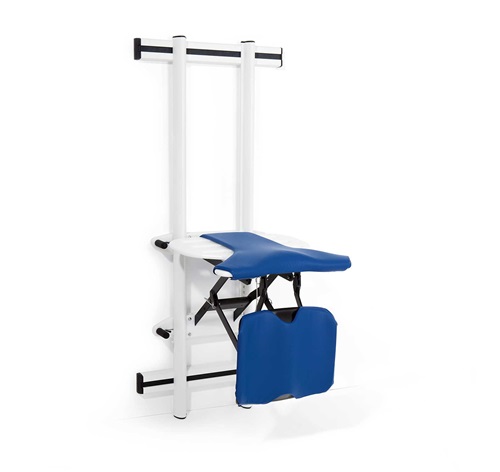
Enables partially weight-bearing clients to receive hygiene care or diapering in an upright position – improving caregiver access and reducing lifting while providing greater dignity.
Back to top