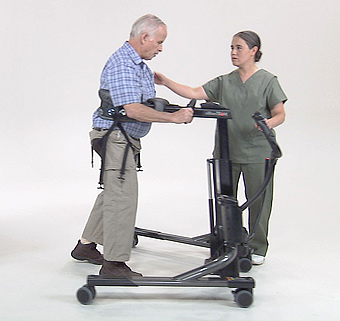
Safe Patient Handling Evidence-Based Practice
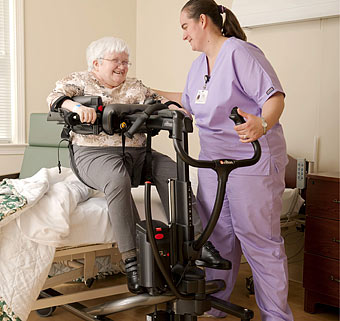
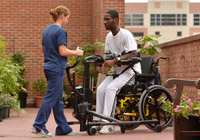
| March 2012 Safe patient handling is big. Some states have already passed legislation supporting this trend in healthcare and many hospitals and institutions are implementing “no lift” or “zero lift” programs with much success. In these instances success is described in terms of decreased staff injuries, decreased workers’ compensation monies, and improved patient experience. There is a wealth of information available about best practices for safe patient lifting and transfer, but here are some studies and papers I found worthwhile.
Nurse Safety
Long-term Effectiveness of “Zero-Lift Program” In Seven Nursing Homes and One Hospital
This article is the landmark 1999 research study by Arun Garg. Research data was collected on staff injuries and workers’ compensation costs resulting from manual lifting and transferring of patients, prior to and following the implementation of a zero-lift program.
Handle with Care
This article describes the American Nurses Association’s (ANA) Handle with Care patient safety campaign with its main points:
- Manual patient handling is unsafe and directly responsible for musculoskeletal disorders among nurses.
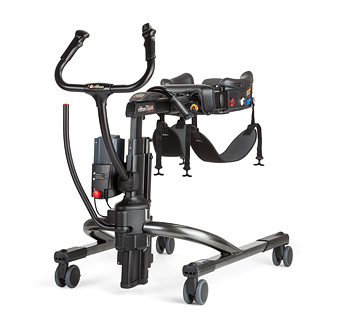
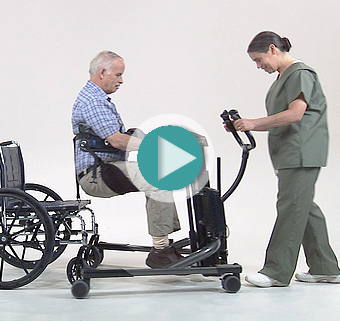
- Patient handling can be performed safely with the use of assistive equipment and devices.
- There exists a simultaneous reduction of risk for injury among nursing staff and improvement in quality of care for patients.
Here is the full text of the research study done at the Biodynamics Laboratory in Ohio State University pointing to the necessity of using mechanical lifts for patient transfers to prevent caregiver injury.
Safe Lifting and Movement of Nursing Home Residents
This guide is invaluable for any administrators, nursing home owners or other professionals interested in implementing a safe lifting program at their facility. “Research conducted by the National Institute for Occupational Safety and Health (NIOSH), the Veterans’ Health Administration (VHA), and the University of Wisconsin-Milwaukee has shown that safe resident lifting programs that incorporate mechanical lifting equipment can protect workers from injury, reduce workers’ compensation costs, and improve the quality of care delivered to residents. This guide also presents a business case to show that the investment in lifting equipment and training can be recovered through reduced workers’ compensation expenses and costs associated with lost and restricted work days.”
Guidelines for Nursing Homes: Ergonomics for the Prevention of Musculoskeletal Disorders
This comprehensive booklet outlines problems and solutions for resident lifting, and other activities that pose risk for caregiver injury. Read this document on-line (OSHA website)
An Evaluation of a “Best Practices” Musculoskeletal Injury Prevention Program in Nursing Homes
Data was collected from January 1995 through December 2000, at six nursing homes, showing a significant reduction in injury incidence, workers’ compensation costs, and lost workday injuries, after implementing a “Best Practices” program.
Evidence Based Practice for Safe Patient Handling and Movement
Solutions are offered in this article for effectively addressing caregiver safety during lifting tasks. These solutions are organized into three groups: engineering based, administrative and behavioral.
Department of Veterans Affairs
Patient Care Ergonomics Resource Guide: Safe Patient Handling and Movement
This guidebook was developed by the Patient Safety Center of Inquiry, Veterans Health Administration. It provides extensive coverage of the topic including the development of the No-Lift policy.
Cost Effectiveness of a Multifaceted Program for Safe Patient Handling
This 18-month observational study measured the incidence and severity of injury to caregivers before and after the Safe Patient Handling and Movement project, introduced by The Patient Safety Center in the Veterans Health Administration (VHA).
OT/PT Safety
This website from American Physical Therapy Association (APTA) provides comprehensive safe lifting recommendations and resources for physical therapists.
Safe-Patient-Handling Equipment in Therapy Practice: Implications for Rehabilitation
Published in the American Journal of Occupational Therapy, this study discusses the use of safe patient handling equipment and the implications for patients, therapists and rehabilitation outcomes.