Sitting with Purpose

by Catherine Ripmaster, PT

Girl in Advancement Chair with SantaMany of our students have profound physical and cognitive disabilities. Some students have extensor tone while others have scoliosis or other orthopedic problems that make sitting a challenge.

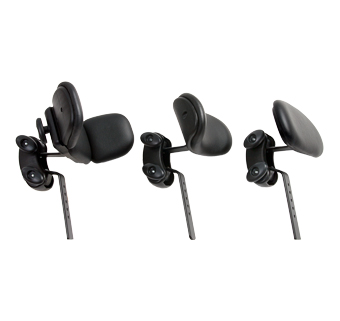
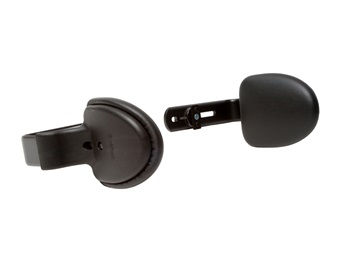
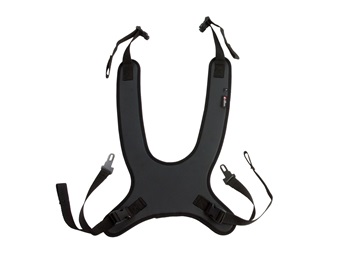
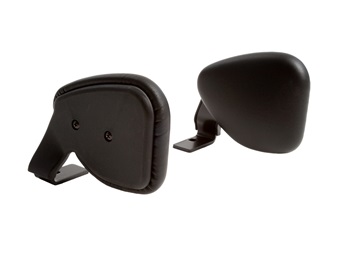
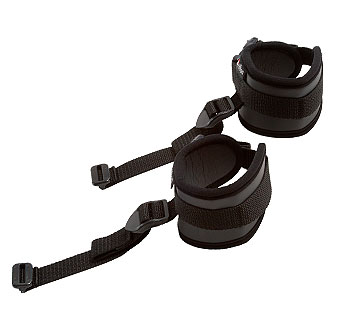
These students all use wheelchairs for transport, and many use their wheelchairs at home as their only seating option. When our students are in wheelchairs, they are strapped into a passive position. People are not likely to take any of the supports off, because they “belong” there: lateral prompts, hip guides, anterior chest prompts, a seat belt, headrest, and foot straps. Because the students are so well supported in their wheelchairs, their head and trunk control is never challenged. And, because many wheelchair seats are high, the students can’t assist in transferring in and out of them.

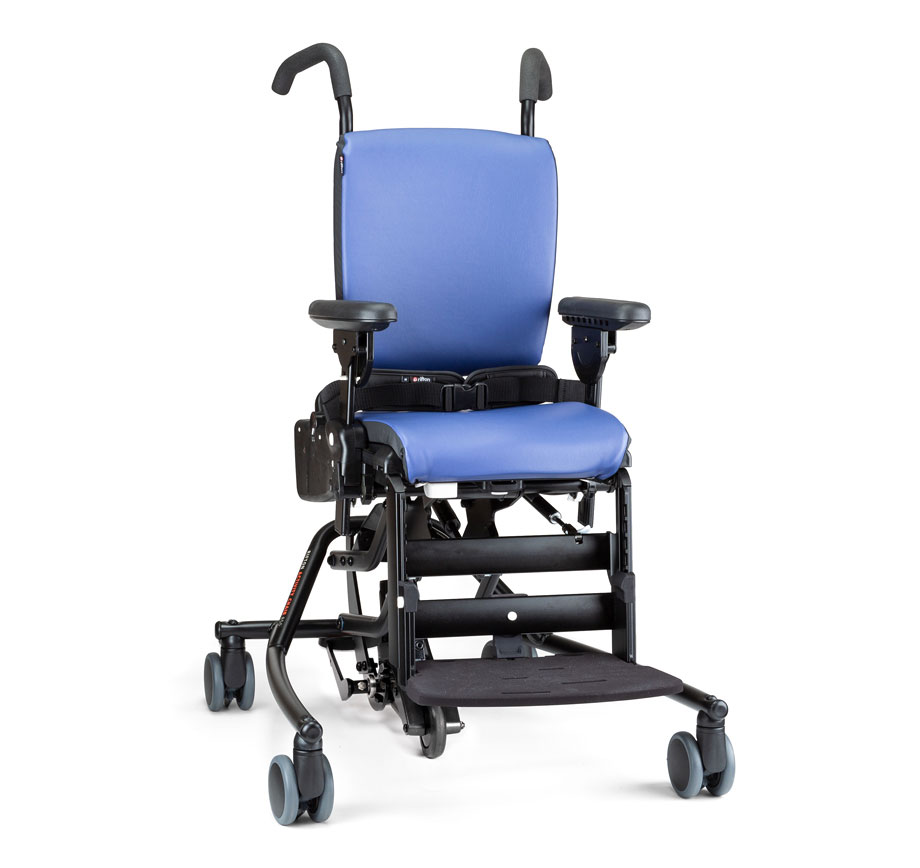
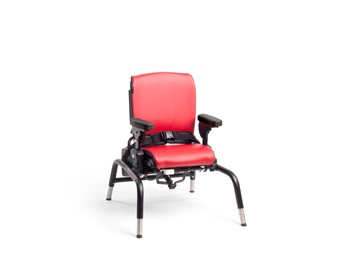
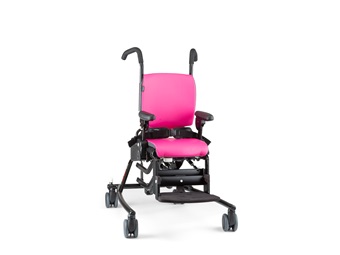
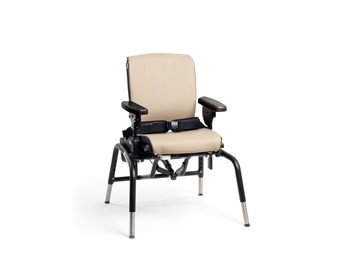
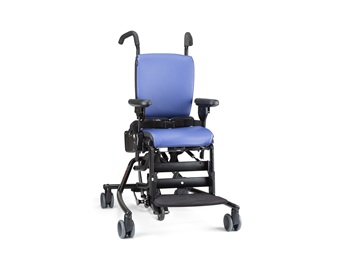
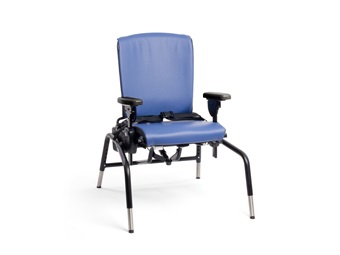
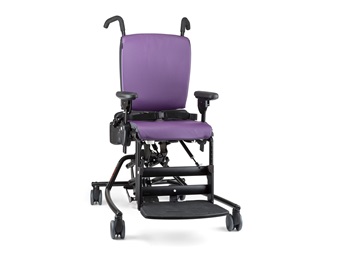
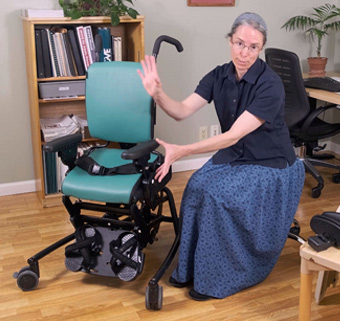
Thanks to Rifton, our students now have another option. In the classroom, we use the Rifton Advancement Chair instead of their wheelchairs, so they can participate in regular classroom activities just like a student who doesn’t need as much support. The Advancement Chairs remain set up in the classroom.

As the physical therapist, I decide which chair is appropriate for which student, and the specific adjustments to be made. I make sure the classroom staff understands how to use the equipment and feels comfortable with adjusting it. I take digital pictures of students in equipment, so that the staff can have something to reference.

Because I enter the classroom in a consultative role, and give advice and specific suggestions for working on student goals, the students have a lot more opportunity for motor skills training during the day. In this way, the equipment can really work to the maximum benefit of the students throughout the day. I help the classroom staff to come up with activities in functional situations to practice skills during classroom time when I am not available.

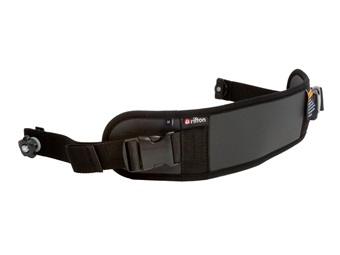
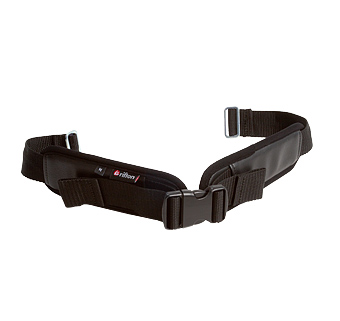
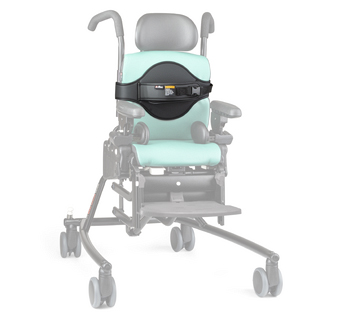
Of our particular population of students, the Advancement Chair has done the most for those with 'extensor thrust'. The center-mounted strap holds their pelvis well in position, and keeps them from extending. Otherwise, when their pelvis is allowed any movement, these students will sacral-sit and tend to go back into an extension reflex. A few of the older students who are now using the Advancement Chair pushed back so hard into extension that we were reluctant to place them in other chair options. Now, in this chair, they don't do it at all.

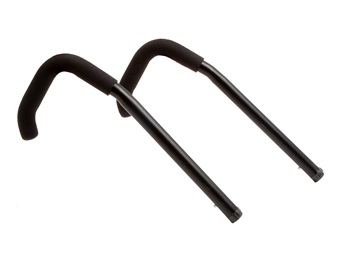
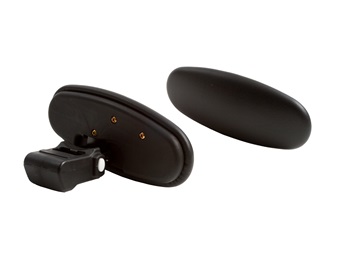
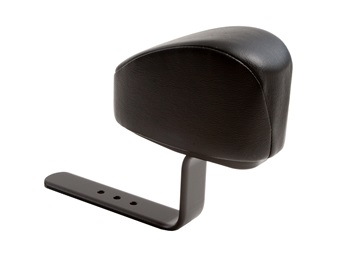
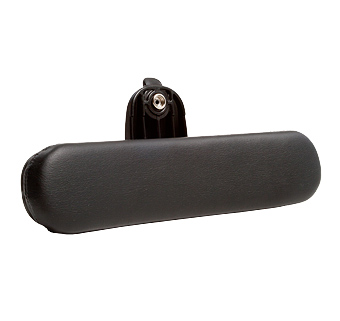
For students with a strong ATNR reflex, the Advancement Chair is very beneficial as well. For many of these students, their movement pattern is into this reflex: as soon as they try to move, they extend their head and bring their arm out to the side. The Arm Prompts on the L-bar are used to help position the student's upper body forward so that the students are able to remain in a forward functional position with their arms toward midline. Students can now lift and turn their head without bringing in a lot of extensor tone, and participate more fully with their peers.

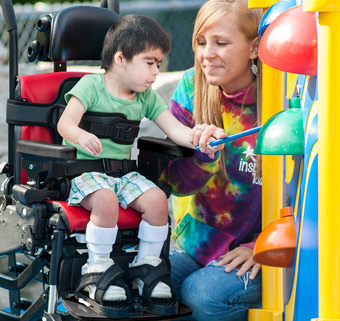
Boy using an Advancement ChairBoy in Advancement ChairBoy in Advancement Chair

We use the Advancement Chair during a lot of different class activities: music time, art time and circle time. By sitting 'actively' with support, they improve their head and core trunk control. Students build up the motor control to be able to stay in a more functional position. Very often, we'll take a student's arm out of the Arm Prompt, and with one-on-one assistance, the student can participate in the activity. For example, we can have the students participate in art projects by holding onto art tools along with the staff. With practice, they do better at controlling their extremities, using them while sitting in a more flexed position. Over time, students get to know how their body moves, and their ability to move their arms while sitting improves.

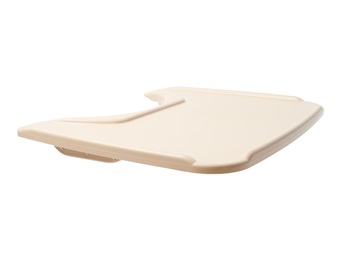
One benefit with the L-bar on the Advancement Chair is that a Pacer communication tray fits on it nicely. We like to put a "big mac switch" on the tray. In this way, we'll encourage a student to turn on the switch for music or an adaptive toy. During activities, we'll use adaptive switch-use for making choices.

For our more involved students, the Advancement Chair provides an alternative to the wheelchair, and it's a purposeful alternative. They're in a more front-leaning position so it's a lot more functional than their wheelchairs. There are three students in particular that I feel have benefited the most.

John is a student who will often extend his trunk and neck, and then extend his arms and cross them in front of him. Before the Advancement Chair, we would have to 'lock' John in place, because without securing his trunk and supporting his head and neck, he would hyperextend his neck and go back into an extension pattern. Now, with the Advancement Chair Arm Prompts, we can start him out sitting with his upper body positioned forward. Being in this forward-leaning position keeps him from hyper-extending his neck with reflex movement. The positioning of his arms allows him to push up and work on his own neck and trunk strengthening, but without going too far back into extension.

The Advancement Chair places him in a position to work on his own head and trunk control. John is leaning forward slightly and uses his own muscle strength to lift up his head. Since this is real work and exercise for John, once he starts getting a little bit more fatigued, we put him upright a little more (with less forward tilt on the seat) so he doesn't have to work quite as hard against gravity. And then we can further adjust it from there. John can now use his head more functionally while surrounded by the group activity.

Using the Advancement Chair helps our students maintain a position to work on head and trunk control. Besides this, with the Advancement Chair you can reduce the prompts for different activities, as well as reduce prompts as the students' motor skills improve.

Our students are making progress! Alice has real strong ATNR reflex. For Alice, sitting functionally has always been very challenging, because she always extends out of the chair, slides forward, and then she’s not in a functional position at all.

With regular use of the Advancement Chair, I've seen her head and trunk control improve. Even though I haven't been able to reduce the prompts yet, to have Alice actually maintain her position during a whole activity is a noticeable improvement. An activity may be between 30 minutes to an hour - and now she can sit for that time without having to be re-adjusted. She’s very comfortable in the chair. For her to sit without extending out, where in other chairs we would have to get her down due to being uncomfortable, is a real accomplishment. And she’s shown improvement in length of sitting time with regular practice opportunity.

So for Alice, being able to participate in the activity while sitting in the Advancement Chair is huge. I am sure that in time her active functional sitting will improve further, and we can begin reducing prompts.

Another of our students, Mary, is big and difficult to transfer because of her tone. Right now, she's not able to bear weight with people supporting her. We're able to "hoyer" her into the Advancement Chair, which is really nice.

In the Advancement Chair, Mary is at a height where she can be at the table. This isn't possible in her wheelchair. The mobility on the Advancement Chair allows us to move the chair around.

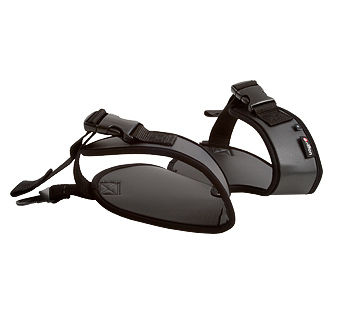
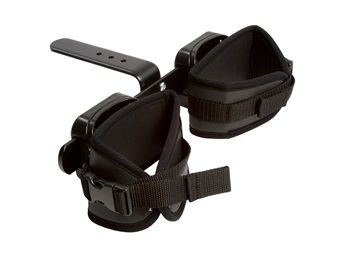
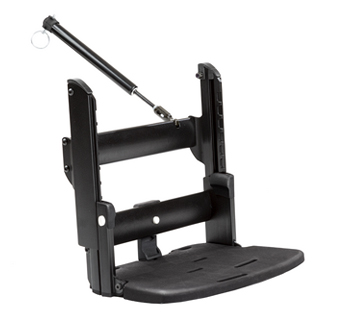
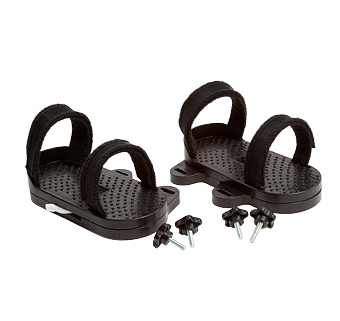
In the Advancement Chair, with their feet positioned in the sandals, students are also at a good height to work on sit-to-stand transfers. The back of the seat can be raised higher than the front, for a forward-tilt to assist this practice.

But most importantly, the students are sitting actively, rather than being positioned passively, and they can actually interact with their environment and the people around them. I'd love to see more therapists using the Advancement Chair for students who are able to benefit from it.


Catherine Ripmaster, PT works at Lincoln Developmental Center in Grand Rapids, MI. The Lincoln Developmental Center will be certified as a MOVE Model Site on April 20, 2007. Learn more about MOVE at www.move-international.org

Rifton Equipment | phone: 800-571-8198 | fax: 800-865-4674 | www.rifton.com